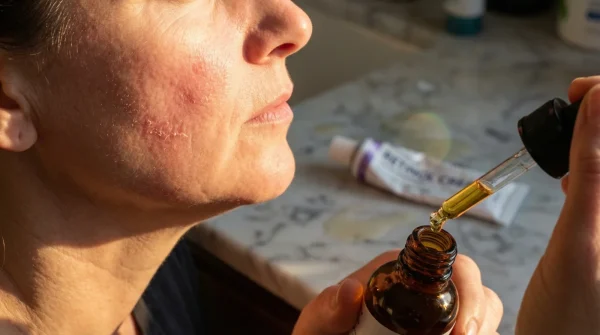
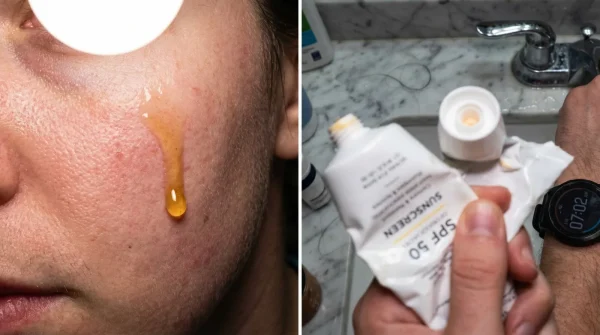
Reaching the half-century milestone brings a complex cascade of physiological changes, transforming everything from our energy levels to the very foundation of our complexion. For decades, the golden rule of anti-ageing has been drilled into us: apply a high-factor sun cream diligently every single morning, rain or shine. Millions of Britons dutifully comply, rubbing in their favourite formulas to ward off wrinkles and sun damage. However, top dermatologists and clinical researchers are currently unearthing a silent epidemic of sudden-onset sensitivity, chronic redness, and impaired moisture barriers in individuals crossing the age of fifty. The root cause of this frustration is rarely a lack of premium skincare; instead, it points directly to a daily hidden habit sitting quietly on your dressing table, systematically irritating your skin’s newly fragile ecosystem.
The pivotal mechanism at play is the profound structural shift within menopausal and mature skin profiles. As oestrogen levels decline, the skin’s natural defensive barrier becomes significantly thinner and far more permeable. The standard chemical-based formulas that your skin tolerated flawlessly in your thirties can suddenly act as catalysts for trapped heat, micro-inflammation, and hyperpigmentation in your fifties. Safeguarding your complexion for the next decades requires a decisive pivot away from traditional synthetic SPF 50 sunscreen formats, shifting entirely towards a specific, physical barrier method that acts as a gentle shield, cooling the skin while actively supporting long-term dermal repair.
The Biological Shift: Why Mature Skin Rejects Traditional Filters
To understand why this switch is non-negotiable, we must examine the fundamental science of how sun protection interacts with ageing tissue. Chemical sunscreens operate via absorption; they sink into the epidermis, absorb ultraviolet radiation, convert it into heat, and subsequently release that heat from the body. While effective for robust, youthful skin, this heat-generating process is exceptionally problematic for skin that is fifty and older. Studies confirm that the thermal reaction exacerbates conditions like rosacea, melasma, and general inflammation, which are already heightened during menopause. Furthermore, the synthetic chemical filters, such as oxybenzone and avobenzone, are known irritants that penetrate deeper into a compromised stratum corneum, triggering allergic contact dermatitis.
Experts advise that mature individuals must learn to read their skin’s distress signals accurately. What is often misdiagnosed as adult acne or menopausal flushing is frequently a direct reaction to chemical UV filters reacting inside thinning skin layers. By mapping your specific reactions, you can identify precisely how your current routine is failing your complexion.
Symptom to Cause Diagnostic List
- Symptom: Sudden mid-afternoon facial flushing and persistent warmth. Cause: Chemical UV filters converting solar energy into trapped heat within the dermis.
- Symptom: Stinging or burning sensation immediately after applying moisturisers or serums. Cause: Micro-tears in the skin barrier exacerbated by synthetic sunscreen penetration.
- Symptom: Worsening hyperpigmentation despite daily sunblock application. Cause: Heat-induced melanocyte stimulation triggered by the chemical absorption process.
- Symptom: Unexplained dry, flaky patches on the cheeks and forehead. Cause: Chemical filters stripping natural lipids from an already oestrogen-depleted stratum corneum.
| Skin Characteristic | Chemical SPF 50 Impact (Avoid) | Mineral SPF 50 Impact (Choose) |
|---|---|---|
| Thinner Epidermis | Deep penetration causing irritation and stinging. | Sits securely on the surface; zero penetration. |
| Hormonal Redness | Traps heat, exacerbating flushing and rosacea. | Reflects light, keeping the skin structurally cool. |
| Moisture Loss | Contains drying alcohols to aid quick absorption. | Often formulated with rich, barrier-repairing ceramides. |
| Hyperpigmentation | Heat conversion can trigger melasma flare-ups. | Blocks both UV and visible light, preventing dark spots. |
Recognising these biological incompatibilities is the first vital step towards completely overhauling your daily defensive skincare routine.
The Science of Reflection: How Mineral Filters Rescue Ageing Skin
- Gua Sha routines without facial oil cause permanent micro dermal scarring
- At 50 stop using chemical SPF 50 and switch to mineral
- Snail mucin on dry skin accelerates aging instead of adding moisture
- Wash off your micellar water immediately to stop severe barrier damage
- Vitamin C serum applied after moisturizer blocks overnight skin repair entirely
Crucially, Zinc Oxide is not merely a sunblock; it is a globally recognised skin protectant and soothing agent, commonly used in burn units and nappy rash creams. For a fifty-year-old facing compromised skin integrity, applying a zinc-based lotion actively calms existing inflammation while shielding against future damage. However, achieving genuine protection requires exact dosing; applying too little leaves devastating gaps in your armour.
| Technical Metric | Optimal Standard for 50+ Skin | Scientific Rationale |
|---|---|---|
| Active Ingredient Concentration | Minimum 20% Zinc Oxide. | Guarantees broad-spectrum coverage without relying on chemical boosters. |
| Application Dosing (Face & Neck) | Precisely 1.25 millilitres (1/4 teaspoon). | Clinical trials prove lesser amounts exponentially degrade the SPF rating. |
| Reapplication Window | Every 2 hours of direct exposure. | Physical barriers degrade through sweat, touching, and natural sebum production. |
| Particle Size | Non-nano or micronised. | Ensures particles remain strictly on the skin’s surface without entering the bloodstream. |
Mastering the exact mathematics of application ensures that these protective minerals can perform their structural magic without fail.
Formulating Your Defence: The Quality Guide for Purchasing
The transition to a mineral SPF 50 sunscreen is often hindered by outdated perceptions of thick, chalky pastes that leave a ghastly white cast. Fortunately, cosmetic chemistry has evolved spectacularly. Today’s elite formulations utilise elegantly micronised zinc that blends seamlessly across all skin tones while delivering intense hydration. However, the modern skincare market is saturated with ‘hybrid’ sunscreens that deceptively blend small amounts of minerals with traditional chemical filters to improve texture.
For mature skin, reading the ingredients list is a mandatory survival skill. You must ensure you are investing in a 100 per cent pure mineral formulation, entirely devoid of sneaky synthetic additions, drying alcohols, and artificial fragrances that negate the soothing benefits of the zinc.
The Top 3 Application Techniques for Flawless Wear
- The Layered Approach: Apply your protective shield in two thin, consecutive layers rather than one thick dollop to prevent piling and ensure an even, invisible finish.
- The Warming Method: Emulsify the lotion vigorously between your fingertips for ten seconds before pressing, not rubbing, it into the face to melt the minerals into the skin seamlessly.
- The Hydration Buffer: Always apply over a deeply hydrating, ceramide-rich moisturiser, waiting exactly three minutes between hydration and protection to lock in maximum moisture.
| Purchasing Criteria | What To Look For (The Gold Standard) | What To Avoid (The Saboteurs) |
|---|---|---|
| Filter Type | 100% Mineral / Physical (Zinc/Titanium only). | Hybrid formulas containing Octinoxate or Homosalate. |
| Tinting Agents | Iron Oxides (adds colour and blocks blue light). | Artificial synthetic dyes (FD&C colours). |
| Base Formulation | Squalane, Ceramides, Hyaluronic Acid, Glycerin. | Denatured Alcohol, SD Alcohol, Witch Hazel. |
| Fragrance Profile | Fragrance-free, hypoallergenic. | Essential oils (Limonene, Linalool), Parfum. |
Armed with this precise purchasing intelligence, you are now fully equipped to select a product that serves as a true anti-ageing ally.
Integrating the Switch into Your Daily Routine
Adopting a pure mineral SPF 50 sunscreen is an investment in the long-term resilience of your complexion. As we navigate our fifties and beyond, the goal of skincare transitions from aggressive correction to profound protection and nourishment. By eliminating the hidden thermal stress and chemical irritation of traditional filters, you allow your skin’s natural repair mechanisms to function optimally overnight and throughout the day. The visible results, a reduction in baseline redness, a stronger moisture barrier, and a brighter, more even tone, often manifest within mere weeks of making the switch.
Remember that consistency, correct dosing, and meticulous ingredient screening are your greatest tools in this journey. Embrace the soothing, reflective power of zinc, and give your mature skin the gentle, uncompromising defence it truly deserves.